

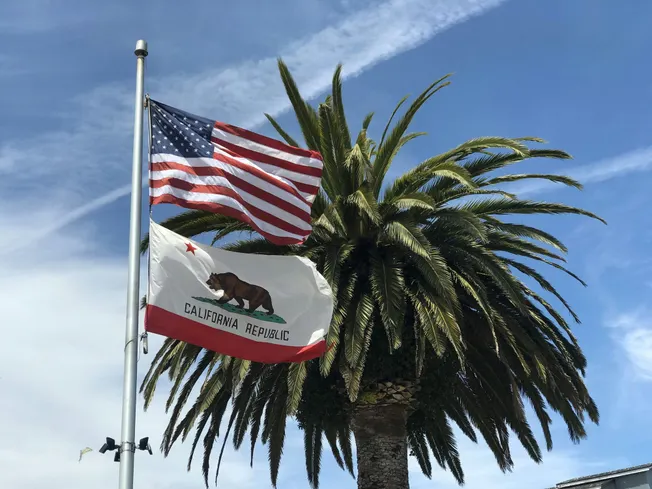
California's attempt to put a hard cap on ticket resale prices has stalled after the state's Senate Appropriations Committee declined to advance AB 1720, also known as the California Fans First Act.
The bill was held under submission on August 13, effectively ending its chances of passage during California's current two-year legislative session.
Introduced by Assembly member Matt Haney of San Francisco, AB 1720 would have prohibited ticket resellers from selling tickets for more than 10% above their original purchase price, with the cap including mandatory fees. Resale marketplaces would also have faced limits on the fees they could charge, while sellers would have been required to disclose a ticket's original price.
While initially proposed as a broader restriction on live-event resale, a May amendment narrowed the bill to events held at independent venues with capacities of 3,000 people or fewer, along with certain nonprofit venues. To qualify as independent, a venue generally had to derive most of its revenue from ticketed events, not be majority-owned by a publicly traded company and not operate venues across more than 10 states.
That made AB 1720 particularly relevant to California's independent live music sector.
Supporters included the National Independent Venue Association (NIVA), National Independent Talent Organization, Future of Music Coalition and Music Artists Coalition, as well as Live Nation Entertainment. NIVA had argued that resale price caps could reduce incentives for large-scale scalping and keep more value within the live entertainment ecosystem.
Opponents, including secondary ticketing companies and consumer groups, argued that regulating the resale market without similarly restricting prices in the primary market could reduce competition and strengthen Ticketmaster and Live Nation's position in ticketing.
The fight also attracted significant lobbying spending. StubHub reported nearly $2.6 million in California lobbying expenses during the second quarter of 2026, bringing its state lobbying expenditure to about $3.4 million for the year, according to filings reported by The Hollywood Reporter and Music Business Worldwide.
More than $1 million of the quarterly total went to the Ticket Policy Forum, whose members include StubHub, SeatGeek, Vivid Seats, and TickPick. The spending shows the stakes surrounding the legislation, though it does not by itself establish why lawmakers declined to advance the bill.
Cost was also an issue. California's Department of Finance opposed AB 1720 during the appropriations process, citing projected state enforcement costs.
+Read more: "Noah Kahan, Pixies, Goose, MGMT, More Back MA Ticket Reform"
Another California ticketing bill is still alive
The failure of AB 1720 does not end California's ticketing reform push. Companion legislation AB 1349 was released from the Appropriations Committee's suspense file on August 13 and can continue toward a Senate vote. That bill takes a different approach, targeting practices including speculative ticketing — listing tickets a seller does not yet possess — as well as deceptive ticketing websites and bot-driven purchasing.
Haney has indicated that the resale-cap fight is not over, saying he intends to continue working with artists, fans and venues on the issue. Because AB 1720 cannot carry into the next legislative session, however, a renewed attempt at a California resale cap would require new legislation.
For now, California's independent venues will not get the resale-price protections AB 1720 would have provided — and the wider battle over who controls the value of a concert ticket after its initial sale continues.