

By Jean-Christophe Blondet, Founder of Ready Release
Most independent releases do not fail because the song is weak. They fail in the last mile: the stretch between "the file is done" and "this feels finished enough to put your name on."
Playlists matter. So do ads, TikTok hooks, and distributor settings. None of those fix a release that still sounds unfinished, looks inconsistent, or arrives with no plan for what to post after day one.
This is a checklist for that last mile. Not a growth hack. A production checklist.
1) Decide what "finished" means before you upload
Write one sentence: What should a stranger understand about this release in three seconds? Then lock three decisions:
- Sound standard: Is this file ready for Spotify / Apple / YouTube delivery, or is it still a mix export?
- Visual identity: One cover language, one thumbnail language, one short-form language. They can be related. They should not be three unrelated templates.
- Campaign length: Are you posting for 3 days, 10 days, or a full month? Campaign length is not the same as production time.
If you skip this, you will "finish" five times and still feel amateur on release day.
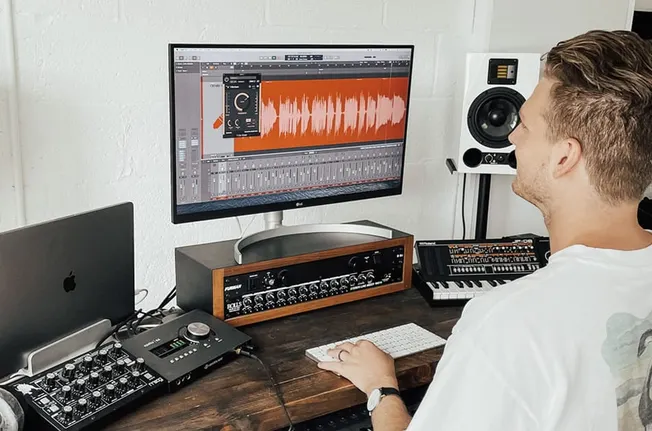
2) Sound: treat mastering as QC, not as a loudness button
Platforms normalize loudness. Pushing past their target does not make you louder on the feed. It usually costs dynamics and can hurt how the track translates. Here's your checklist:
- Source audit. Format, sample rate, bit depth, headroom. Has the file already been limited or re-encoded?
- Artefacts. Clicks, glitches, clipped transients, encoding damage. Especially common on AI-assisted exports.
- Noise / clicks. Clean without dulling the record.
- Corrective EQ. Fix the fighting frequency, not the whole band.
- Low end. Readable on phone speakers, not only on studio monitors.
- Vocal presence. Intelligible on a phone. If the words disappear, nothing else matters.
- Dynamics. Consistent energy without flattening the life out of the track.
- Stereo / mono. Check mono. A large share of listening is single-speaker or mono-fed systems.
- Loudness + true peak. Set for streaming delivery, not for a loudness contest.
- Delivery specs. 24-bit WAV source when possible, plus the store-ready formats your distributor expects.
If someone offers "one-click AI mastering," ask what they listened for. Volume is not monetization-ready finishing.
At Ready Release, mastering is done by a human engineer and sits inside the release packages. That is a production stance more than a pitch: the last mile on sound is still a human listening job.
3) Visual identity: cover, thumbnail, and social are different jobs
A common indie mistake: one square image used everywhere. Here's your checklist:
- Cover art (1:1). Store-ready square. Identity first. Aim for platform-accepted sizes (commonly up to 3000x3000).
- YouTube thumbnail (16:9). Click job. Composition, contrast, text weight. Not the same crop as the cover.
- Banner / headers. Only if you will actually use them. Empty banners look unfinished.
- Mockups. Useful for press and social proof when they match the same creative direction.
- Brand guidelines. Colors, type, usage rules. Especially useful if more than one person will post.
Rule of thumb: If the cover builds identity and the thumbnail steals the click, do not force one file to do both.
+Read more: "What a Grammy FYC Campaign Actually Looks Like If You're Independent"
4) Short-form content: build pieces, do not only cut leftovers
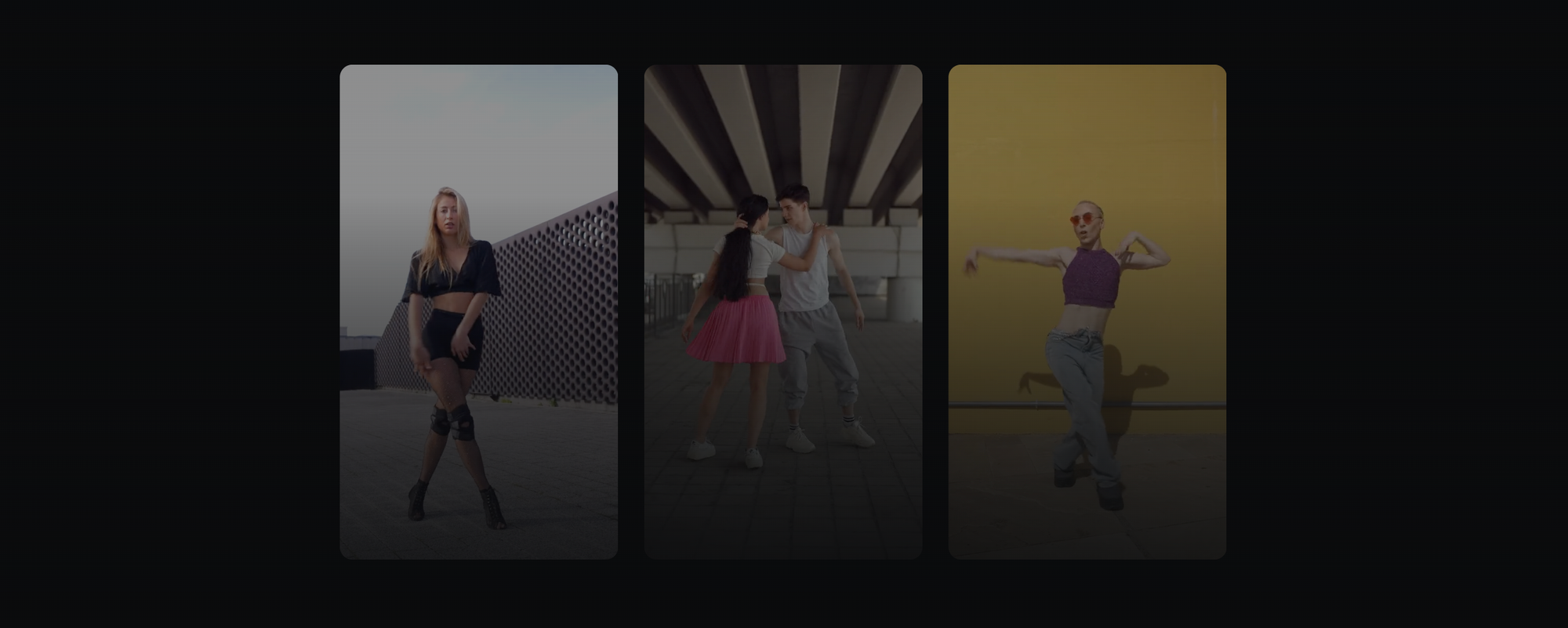
A short is not "the music video but vertical." Here's your checklist:
- 0-1s hook. First frame already in motion.
- 1-4s lock-in. Viewer understands the world and syncs to the rhythm.
- 4-10s cuts. Angle changes on the beat.
- 10-14s peak. Strongest moment on the climax.
- 14-15s loop. Last frame connects to the first when the format needs it.
Also decide production method honestly:
- Filmed with real people
- Directed generative scenes
- Cuts from a longer film (label these as cuts)
What matters for the last mile is coherence: same mood, same identity, same world as the release. Not five random clips that happen to use the same song.
5) Music video: choose a method, then demand a production process
Independent artists often face a false binary: DIY generator clips, or a traditional shoot they cannot fund. There is a third lane: a directed film with a fixed scope.
Two production methods that can deliver the same product (one complete video for one track):
- Cinematic 4K Footage. Cut from licensed cinematic footage. Concept, storyboard, selection, edit, grade. It is not a shoot on location.
- Cinematic Performance Video. Scenes built around the song, with the artist (or an avatar directed as a performer) inside the story, including lip-sync where it fits. Not a traditional shoot.
Before you pay anyone, ask for this process:
- Concept written for this song
- Structure mapped section by section
- Storyboard before production
- Cuts landing on musical events
- One visual signature from first frame to last
- Clear delivery format (4K MP4 is a clean baseline)
A useful buyer filter: can they show you ten seconds of your own song before you commit? Proof of direction matters more than a freebie. This isn't a prompt. It's a production.
+Read more: "We Stopped Waiting to Be Chosen and Mailed 100,000 CDs Instead"
6) Campaign plan: give every asset a day, a platform, and a job
Assets without a publishing plan become a hard drive folder. Here's your checklist:
3-day campaign
- Day 1: Teaser (curiosity)
- Day 2: Hook (want more)
- Day 3: Release (drive listeners to streaming)
10-day campaign
- Days 1-4: Build attention
- Days 5-7: Release moment
- Days 8-10: Keep discovery moving
30-day campaign
- Days 1-7: Build
- Days 8-14: Countdown
- Days 15-21: Release
- Days 22-30: Long tail
Write the plan before release day. "We'll post something" is not a plan. When sound, visuals, content, and plan are directed together, the release reads as one product. Buy individual pieces if that is all you need. Use a system when coherence is the product.
7) Rights, ownership, and honesty checks
Before you hit publish:
- Do you own (or have commercial rights to) every visual element you did not create yourself?
- Are third-party licences clear (footage libraries, stock, tools, collaborators)?
- Are you overclaiming results? Streams, playlists, and follower spikes are not deliverables you can honestly guarantee.
- Are AI tools disclosed where your audience or partners expect transparency? Using AI as a production method is different from selling a generator product.
Honesty is part of the last mile. Overpromising is a brand debt.
8) Final pre-release gate (print this)
Print or paste this and tick it:
☐ You would still stand behind this if a label A&R opened it cold.
☐ All rights and credits are clear
☐ Publishing plan exists for the campaign length you chose
☐ Music video (if any) has a concept mapped to the song structure
☐ At least one short has a real hook in the first second
☐ Cover and thumbnail are separate, intentional assets
☐ Delivery files match distributor / store specs
☐ Master sounds release-ready on phone, laptop, and earbuds
If you cannot tick most of these, you are not late on marketing. You are early on finishing.
Closing Words
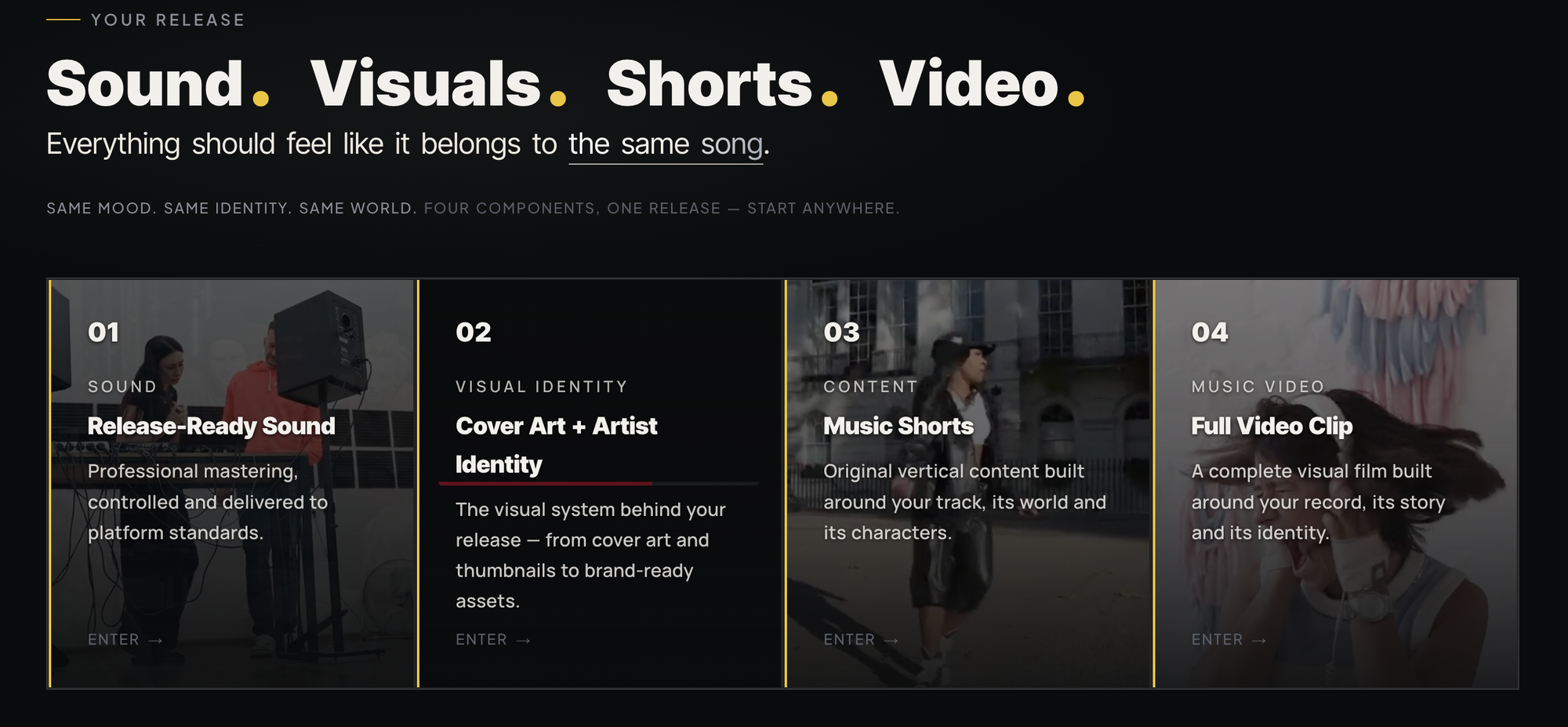
The last mile is unglamorous. It is also where independent releases start looking intentional. You make the music. The release still has to be built: sound, visuals, content, and a plan that belongs to one song.
If you want a concrete production reference while you build your own checklist, process notes live at readyrelease.net and the music video page at readyrelease.net/music-videos. Use them as a production baseline, not as a growth shortcut.
No playlist hack required. Just finish the last mile.
Jean-Christophe Blondet is the Founder and CEO of Ready Release, a release-production studio for independent artists based in Chamalières, France (CONSILIO SASU). Ready Release builds the last mile of a release: human mastering, visual identity, short-form content, and directed music videos. "You make the music. We build the release."