

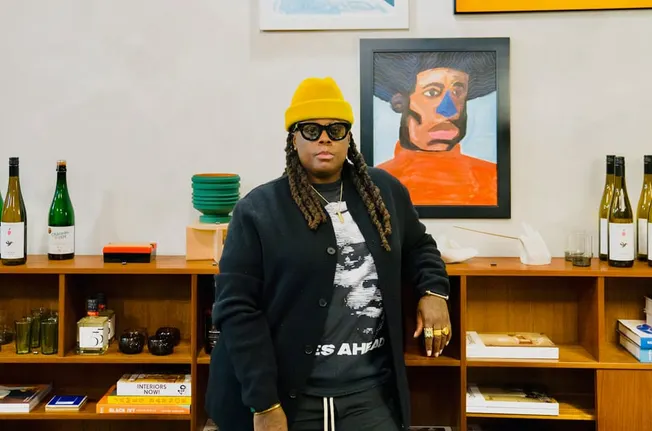
Welcome back to our new interview series, Manager of the Month, in which we spotlight the work of successful pros in the artist management space, and ask them to share (just a few of) their coveted trade secrets... shhh!
Manager of the Month is supported by Bandsintown Pro, the smarter way to promote live concert events.
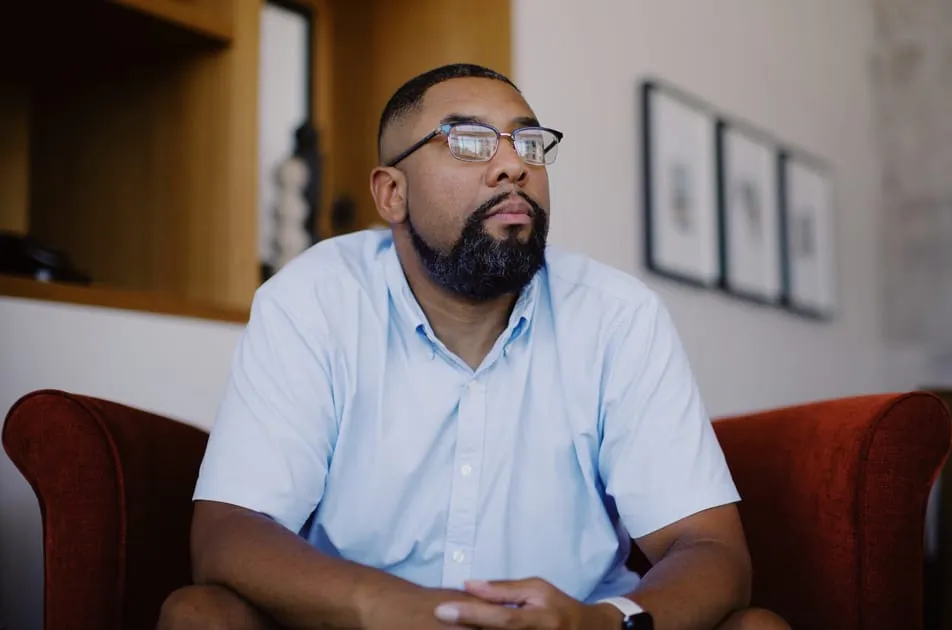
Kei Henderson is the Founder and CEO of Third + Hayden, a creative development agency and incubator disguised as a record label, management, and publishing company based in Atlanta. Kei was on the team at Complex when they first launched their social media presence, and has brokered massive deals with Kid Cudi, Wale, Future, and Migos, and was behind 21 Savage's rise to Grammy Award winning fame. T&H doesn't strive for short-term headlines, they work from the ground level with each of their artists to build for long-term sustainable careers. And it shows.
Additionally, if you're in Atlanta, Third & Hayden is presenting a live concert with April + Vista at Aisle 5 on July 12. Get tickets here.
Here's our conversation. Let's dive in. Enjoy!
Hypebot: You started Third & Hayden, which is not necessarily like other management agencies. Can you tell us what T&H does for its artists and why you felt you had to build a different model?
Kei: "The main thing we do for our artists is care like it’s our own music and our own careers we’re handling. That is first and foremost different from a lot of other companies who oftentimes are working with artists based solely on what can be gained financially. For us the money is a plus or added bonus, not necessarily a requirement."
I’ve always been most passionate about making an impact and leaving a mark. I think the artists I’ve worked with in the past check that box and I think our current roster does that as well. We aim to be something different than what the industry has previously provided which is 'take take take' with very little regard for the artists’ wellbeing and lives outside of music."
Ultimately, I’d like to have a roster full of talented musicians who have many other businesses that allow them to live life and take breaks from touring and releasing music, while still making money during that break."
"Way before digital agencies made influencer marketing or UGC content marketing a thing, we were doing that — or really, his audience was doing it for him — and we found ways to capitalize on that every time."
H: The “Personal Development” budget, or fund, that T&H provides to its artists is a great example of your holistic approach to management. Can you talk a bit about what that is?
K: "It’s our effort to ensure artists are getting some level of support while on their journey to being full-time artists. The fund can be used for mental health resources, along with activities that help us all to maintain our health; gym memberships, trainers, art classes, etc."
We do this as a non-recoupable expense per album commitment on the label side. We’re hoping to expand to offer health benefits and these services to our management clients as well."
H: You were previously at Complex, and had success in prior roles working with artists like 21 Savage, who you helped manage for three years as he rose to massive mainstream success. What were the things you set out to build on with 21 Savage?
K: "I feel like early on, it was about leaning heavily into whatever moments happened organically online. Way before digital agencies made influencer marketing or UGC content marketing a thing, we were doing that — or really, his audience was doing it for him — and we found ways to capitalize on that every time."
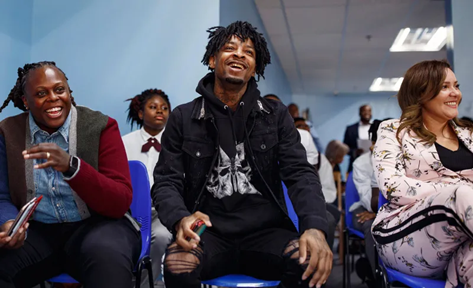
And really just accentuating his natural personality worked really well for us early on. People thought he was 'scary,' so we leaned into that until it was time to switch it up."
H: How did you land your first client?
K: "I actually brought over my first client from Sincethe80s — Asiahn and at the time Jordan Hawkins. Both were management roster and label roster for us at the time."
H: T&H is named after the intersection where you grew up in East Cleveland. Did you grow up around music in your household?
K: "Oh yeah, big time. My grandfather used to make Jazz mixtapes. I played drums in church occasionally and my other grandfather was a piano player."
"For most independent artists, sustainable careers are built around monetizing skills, community, and intellectual property; not just streams. Your ability to write songs, tell stories, build culture, bring people together, create experiences, curate taste, educate, perform, design, host conversations, or move an audience emotionally all have value beyond Spotify."
H: When it comes to artists creating sustainable careers, you’ve spoken about how the streaming bubble has burst, and that musicians need to think of what they do as a marketable skill, not just making and selling music. What are some ways indie artists should rethink their revenue streams nowadays?
K: "I think one of the biggest mistakes artists make today is still viewing themselves as people who sell music. The reality is that music has become the entry point, not the business itself."
For most independent artists, sustainable careers are built around monetizing skills, community, and intellectual property; not just streams. Your ability to write songs, tell stories, build culture, bring people together, create experiences, curate taste, educate, perform, design, host conversations, or move an audience emotionally all have value beyond Spotify."
The artists who will thrive over the next decade are the ones who stop asking: 'How do I get more streams?' And start asking: 'What problem do I solve? What feeling do I create? What skill do people come to me for?'"
Once you understand that, new revenue opportunities begin to emerge — live experiences, brand partnerships, consulting, creative direction, teaching, memberships, publishing, licensing, merchandise, content creation, and community-based businesses."
H: Has artist “management” or development changed since you began your career? And what does the future look like for management to you?
K: "I actually don’t think it has changed since I started my career. Not fundamentally. We still do everything until we don’t have to, the difference now is that more artists are starting to recognize that their management team is essentially a supplemental label team and that they could possibly do everything with their manager before they decide to go to a label."
The future of management to me is what Ty Baisden did with Brent Faiyaz. It’s partnership. It’s forming an agency around the artist and serving as their COO."
"Fans don't just connect with songs; they connect with stories, rituals, perspectives, and personalities. The artists who are winning today are giving people something to follow long before there's something to buy."
H: If I’m an independent artist without a marketing team or five-figure budget, what are some “out of the box” pieces of advice that I can use to amplify my message and content online, and convert new fans?
K: "My first piece of advice would be to stop chasing virality and start creating points of connection."
Most independent artists don't have a marketing problem — they have a consistency problem. They post around releases and disappear in between. Fans don't just connect with songs; they connect with stories, rituals, perspectives, and personalities. The artists who are winning today are giving people something to follow long before there's something to buy."
One of the most overlooked growth strategies is becoming a documentarian of your own creative process. Show the unfinished song. Show the rehearsal. Show the inspiration. Show the doubts. Show the conversations. The goal isn't to market the art — it's to invite people into the world around the art."
Another piece of advice is to focus less on reaching everyone and more on finding your first 100 true believers. I'd rather see an artist have 100 people who attend every show, buy every piece of merch, and tell their friends than 100,000 passive views from people who forget them tomorrow."
And finally, collaborate horizontally, not just vertically. Everyone is trying to get the attention of bigger artists, bigger brands, and bigger platforms. Instead, look at the photographers, filmmakers, designers, writers, DJs, chefs, community organizers, and creators who are growing alongside you. Shared audiences and genuine community compound over time in a way paid marketing rarely can."
The artists who break through aren't always the loudest. They're often the ones who make people feel like they're part of something. In a world overflowing with content, belonging is one of the most powerful marketing tools available."
H: What's your favorite mocktail?
K: "I love a crafted mocktail. Little Saints + Ginger Beer + a fruity mixer."
H: Who should be on the $3 Bill?
K: "Michelle Obama. She’s on a crazy run right now, haha."
To learn more, visit Third & Hayden and follow them on Instagram.
If you're in Atlanta, check out NICHE with April + Vista at Aisle 5 on July 12. Get tickets here.
Join the leading live event professionals saving time and selling more tickets with Bandsintown Pro.