

By Norbert Reinwand, CEO of HasenChat Music
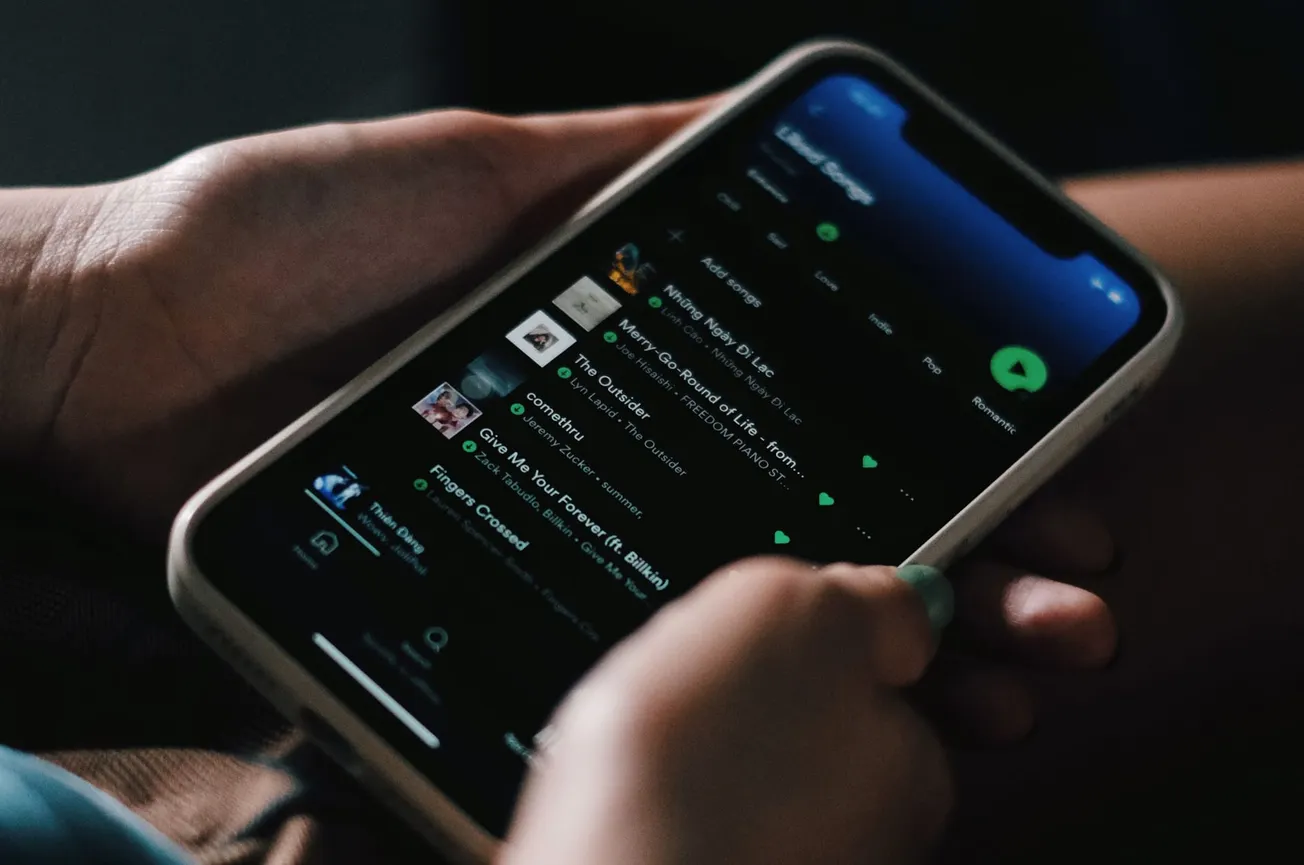
Think about the last time someone sent you a song. You tapped the link, and before a single note played, you were asked to log in, start a trial, or install an app. Maybe you did. Often you didn't, and the song never got its chance.
For artists and their teams, that moment is a quiet, everyday loss. If someone wants to hear a record (a listener, a journalist, a playlist editor, a fellow musician), every extra step is a chance that they will not.
A sign-up form is a small wall. A subscription is a higher one. And the walls are not built by the people who made the music. They belong to platforms the artist and the label do not run.
Those platforms matter, and my own label uses them too. I am not arguing that they should disappear. But artists and their teams already spend a large part of their week feeding them: uploading assets, updating profiles, and chasing the next opportunity to be heard. None of that is wasted work. It is, however, work that only pays off after the listener has already agreed to enter someone else's system, before they can even decide whether they like the track.
Where does this come from?
Streaming solved distribution brilliantly, and in doing so it made the platform the default front door to music. For a large label, that is a manageable cost. For a small, self-financed label, there is no budget that reliably buys a way around those walls. The first encounter with a catalogue, the moment that decides whether anyone keeps listening, ends up handed to a system the artist does not control.
That is why I think a solution is needed, and why it does not have to be big. The first listen should not depend on a platform alone. The people who make the records should be able to keep one door open themselves: a link that simply plays.

+Read more: "What a Playlist Push Actually Does for Spotify's Algorithm"
That is what we tried to do at my own label.
HasenChat Music is a small independent label from Knetzgau, Germany, self-financed by the label and by me. We make techno, dance and hip-hop, almost the entire catalogue is produced in-house, and we take only a few external licences. There is no outside investor waiting for a growth story, and no large team standing between the studio and the listener.
So the same house that makes the music also keeps a listening door open. Anyone can listen to the music, and to a live radio, for free, with no account and no subscription. If I send someone a link, I want the music to start without asking that person to register first.
There is also a free app and a browser extension for Chrome, Edge and Firefox, and the tracks remain on Spotify, YouTube Music, SoundCloud and other services. The point is not to replace those services. The point is to leave one path that belongs to the people who made the records.
The in-house work is the other half of that responsibility.
Two examples, both made without AI, are the techno track Explosive Beat and the hip-hop track We Party 24 Hours. Explosive Beat came out of my home studio in 2014. The background sound is a spray paint can; the explosive gas in the can gave the track its name. It runs about eight minutes at 140 BPM, with several layers of standard techno elements. A label's first job is still to make music, and then to make it possible to hear that music without unnecessary friction.
I know how modest that sounds. We did not invent streaming, and we are not claiming to rebuild the industry. Larger platforms will remain part of how music travels, and they should. But they should not be the only door. If more small labels and artists kept a listening door of their own, the music would get one more chance to speak first.
+Read more: "What Happens After the Streams Stop: How Independent Artists Should Measure a Campaign"
Norbert Reinwand is the CEO of HasenChat Music, an independent, self-financed label based in Knetzgau, Germany, making techno, dance and hip-hop with a mostly in-house catalogue. The label's music can be heard for free, without an account or a subscription, at hasenchat.com, and is also available on Spotify, YouTube Music, SoundCloud and other services.