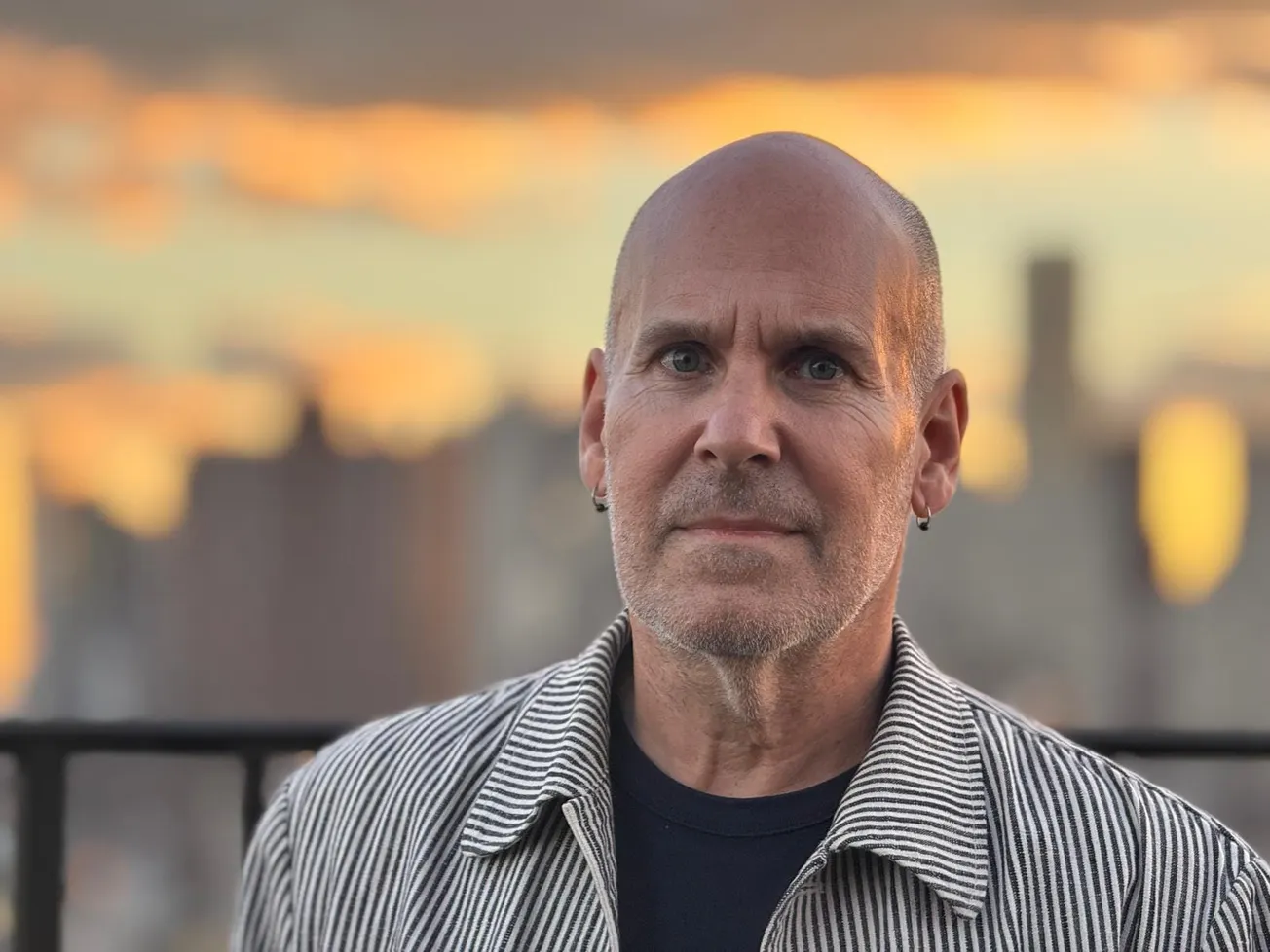


By Ben Ikwuagwu, CEO/Co-Founder of Soundcheck Live
I've spent 15 years on stages, from Carnegie Hall to ACL Live to FOX's Don't Forget The Lyrics. I perform roughly 60 weddings and corporate events a year alongside some of the best musicians I've ever worked with. I also run a software company building tools for the live events industry...
So, I get to see this business from both sides of the curtain. I want to make a case for what we should actually be protecting as our world fills up with AI.
The live music industry is having the wrong conversation about technology. We argue about whether to use the tools. We should be talking about what stays irreplaceable in a world where everyone uses them. The answer is the people.
It has always been the people. And we are not investing in them like we mean it.
Let me start with what I see when I talk to operators today, because the fear in the room is real even when nobody names it.
Most people in this industry will tell you they don't really use AI. They'll tell you the work is too craft-driven, too relationship-based, too human for that. And then they'll go right back to the laptop they used Grammarly on, the email Gmail's smart compose half-wrote, the run sheet they built in a tool whose engine is now half machine learning.
You cannot avoid AI in 2026. It's baked into your inbox, your calendar, your CRM, your design tools, your accounting software. The "I don't use AI" stance has become the industry's biggest white lie.
I get why people resist it. I hear the same quiet concern every week:
"If I share what I know, I'm just training a model that will replace me."
That fear feels reasonable until you realize the model is already trained on what you know. Every forum post, every public schedule, every leaked rider, every YouTube tutorial has been ingested. The information moat you think you're protecting doesn't exist anymore.
So if hoarding knowledge isn't the moat, what is?
Over the past year, my team and I have worked with eight different kinds of customers in this industry: venues, promoters, producers, agencies, tour managers, production crews, instrumentalists, and artists. Every single one of them believes they are doing something operationally unique. Almost none of them are.
I say that with love, because I've been one of them. But when you sit across from this many companies in a row, the through line is impossible to miss. A show is a show is a show. The way you move gear, book crew, advance a date, settle a contract: these workflows are 80% identical from one company to the next. Operations used to be a competitive advantage. It isn't anymore. Software has flattened that field, and AI is finishing the job.
The one thing that's actually unique in this industry, the thing nobody can copy, is the talent.
+Read more: "How Artists Can Turn a Good Live Performance Into an Unforgettable One"
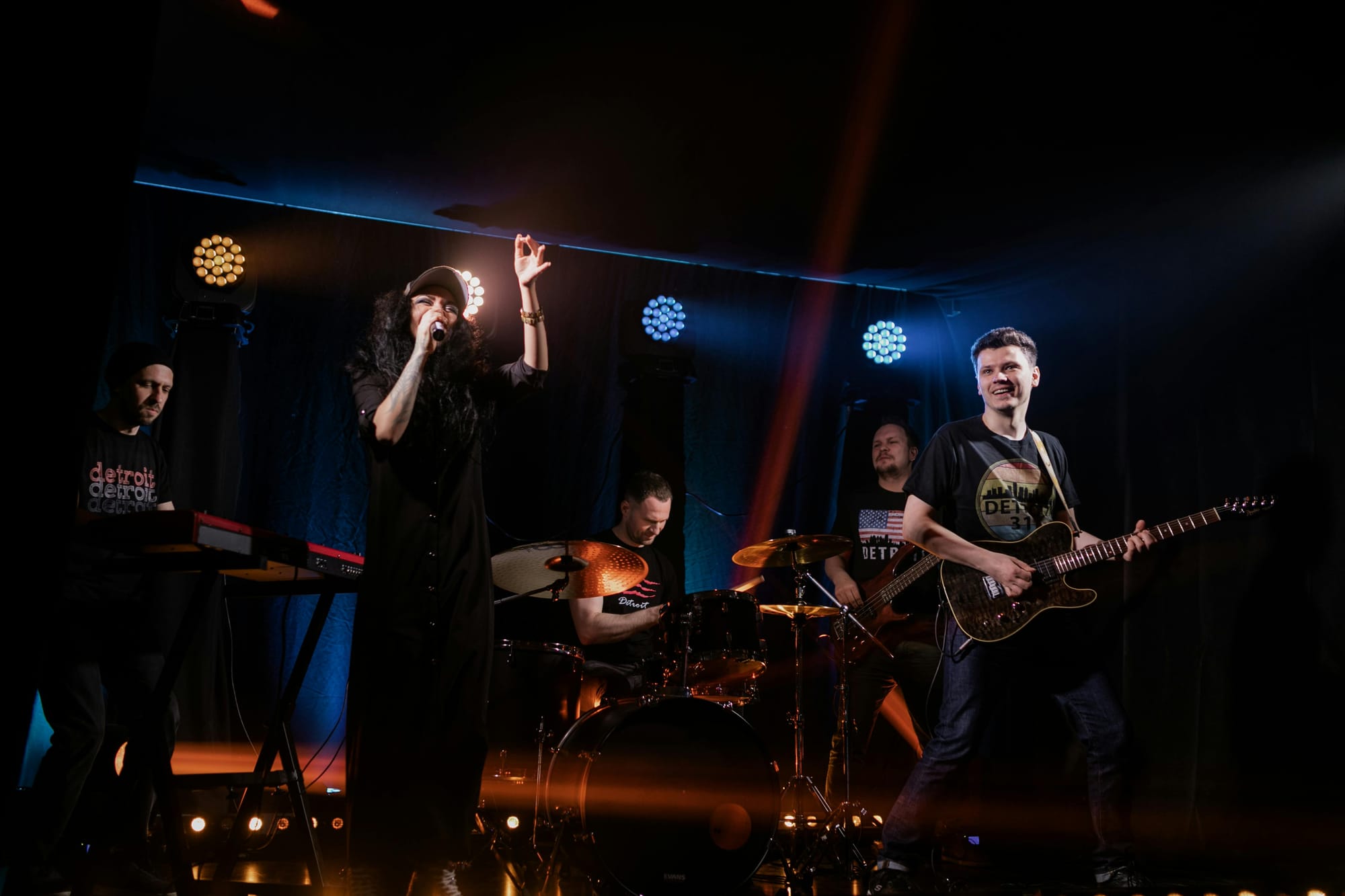
And I don't just mean the artist on stage. I mean the front of house engineer who can mix a room nobody else can mix. The lighting designer whose looks define an act's identity. The tour manager whose judgment under pressure keeps a run alive. The rigger, the monitor tech, the production coordinator, the stage manager. Every person whose taste, instinct, and craft cannot be replicated by a tool trained on the past.
That is the only thing left in this industry that actually matters. And the industry is systematically underinvesting in it.
Here's the math that should keep every operator up at night. If you are spending the bulk of your team's time and budget on logistics, scheduling, advancing, settlements, and back-of-house coordination, you are spending money on the parts of your business that are no longer differentiated. And the opportunity cost is your people. Every hour your best FOH engineer spends formatting a run sheet is an hour they aren't refining a mix, mentoring a younger tech, or pushing the creative work forward.
"This is one of the last fields where the human is the product."
This is the part that's hard to hear, especially for companies that built their reputations on operational excellence. For a long time, a tighter advance process or a cleaner settlement workflow really was a competitive edge. That era is closing. The companies that will win the next decade in live events are not the ones with the best operations. Operations are becoming a commodity. The winners will be the ones disciplined enough to redirect everything they save into the humans who actually make the experience worth showing up for.
There's a bigger reason this matters.
As AI gets more capable and more pervasive, live events become one of the last places in our culture where humans gather to experience something made by other humans, in real time, that cannot be reproduced. That is precious. And the people who make those moments possible, on stage and behind it, are the only ones still doing genuinely new work. AI is remarkable at recombining what already exists.
It does not create. People do.
This is what I mean when I say live events are "the last human industry." Not because nothing else has people in it, but because this is one of the last fields where the human is the product. The performance, the room, the moment between an audience and an artist: there is no version of that you can hand to a machine. Everything around it can be automated. The center of it cannot, and that center is what we should be pouring into.
So here is what I want operators, agencies, venues, and producers to take from this. Use the tools. Share what you know. Stop spending your best people's hours on the work that no longer differentiates you. And take every minute you get back and put it into developing the humans on your team, on your stages, in your trucks, at your boards. Develop the talent. All of it.
That is the only strategy that compounds. And it's the only one that protects what makes this industry worth being in.
+Read more: "How to Build a Greener Concert Industry"
Ben Ikwuagwu is the CEO & Co-Founder of Soundcheck Live, a live music and fan engagement platform focused on helping artists, venues, and audiences build deeper real-world connections through live experiences and technology. A working musician as well as a tech founder, Ben writes about the evolving intersection of music, audience behavior, creator economics, and fan relationship-building in the digital era.