

By Trey Thomason (Gringo Loko)
Most independent artists assume that copyright disputes happen to other people… until suddenly it happens to them.
Independent artists today have more power than ever before. We can record music from home studios, distribute globally without labels, build audiences directly through social media, and release songs independently to the entire world.
But while the barriers to distribution have fallen, one thing has not changed:
Artists still need to protect their work.
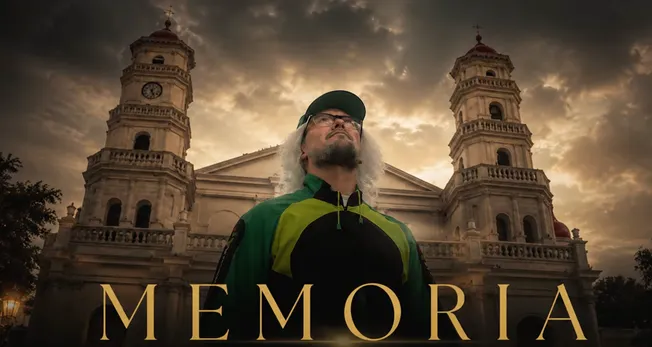
That lesson became very real for me in 2025 after releasing my Spanish-language reggaeton song “Memoria,” a record I created while living and working in Medellín, Colombia. Take a listen.
At the beginning, the process felt like many independent collaborations do. Ideas moved quickly. The environment was creative and informal. Songs were being written, recorded, revised, and discussed in real time between artists and collaborators excited about building something meaningful.
Like many independent artists, I believed that professionalism, trust, verbal communication, and paying collaborators fairly would naturally prevent major problems later.
I was wrong.
+Read more: "This Anti-AI Platform Wants to Help Artists Prove They Made Their Music First"
The Illusion of Informal Collaboration
After the song was completed and released, I found myself dealing with an ownership dispute surrounding the work. What followed forced me into a crash course on copyright registration, documentation, metadata, split clarity, evidence preservation, DMCA procedures, and the uncomfortable reality that independent artists often do not think seriously about ownership until something goes wrong.
That experience completely changed the way I approach music.
One of the biggest misconceptions artists have is assuming copyright only matters after a conflict begins. In reality, the artists who protect themselves best are usually the artists who prepare before problems ever exist.
That preparation includes things many creators unfortunately still overlook:
- written agreements
- split sheets
- payment documentation
- organized communications
- version tracking
- metadata accuracy
- timestamped project files
- copyright registration
- delivery confirmations
- clear discussions about ownership expectations
The uncomfortable truth is that many independent collaborations are built on assumptions instead of documentation. And that usually works fine; until momentum enters the picture.
What begins as a casual studio collaboration can quickly become tied to media appearances, marketing campaigns, business relationships, streaming growth, investment, and public identity. What once felt informal suddenly becomes emotionally, creatively, and financially significant to everyone involved.
In other words, people want their slice of the pie.
When Momentum Changes Everything
As songs begin generating attention and career momentum, misunderstandings can quickly evolve into much larger problems. That is one reason these situations can become so intense for independent artists. Music is deeply personal, but once business momentum enters the equation, personal emotions and career interests often become intertwined.
What surprised me most was how emotionally exhausting these situations can become. Independent artists are rarely prepared for the mental pressure that comes with disputes involving authorship, ownership, public perception, and creative identity.
At one point, I realized the experience itself had become bigger than the song. That realization eventually led me to begin developing my documentary project, MEMORIA: Every Song Has a Story, which explores the broader creator-rights lessons surrounding the experience.
The goal of the project is not to create controversy or online drama. It is to encourage stronger copyright awareness, documentation habits, and creator education for independent artists navigating the modern music industry.
Watch the official trailer here:
+Read more: "The 5 Clauses Songwriters Miss Most Often (and What They Cost You)"
Why Creator Education Matters
Because the reality is simple: Creativity and business can no longer be separated.
Independent artists do not necessarily need to become lawyers, but they do need to understand the fundamentals of ownership, agreements, rights management, and documentation. Waiting until after a dispute begins is often too late.
The modern music industry rewards independent creators with unprecedented freedom, but that freedom also comes with greater responsibility. Artists now have direct access to audiences, distribution, monetization, and global reach. At the same time, they are increasingly responsible for protecting themselves.
That means artists must think not only like creators, but also like archivists, business owners, and rights managers protecting the long-term life of their work.
The experience surrounding “Memoria” changed me in ways I did not expect. It forced me to become more organized, more intentional, and far more aware of how fragile creative ownership can become when expectations are not clearly documented from the beginning.
What initially felt like one of the most stressful experiences of my career ultimately became one of the most educational. And my hope is that other artists can learn these lessons before they are forced to learn them the hard way.
Learn more about the MEMORIA documentary project here.
Trey Thomason, professionally known as Gringo Loko, is a Texas-based bilingual recording artist, songwriter, DJ, and creator advocate whose work blends Southern hip-hop, reggaeton, and Latin urban influences shaped by years spent creating in Medellín, Colombia. His upcoming documentary project, MEMORIA: Every Song Has a Story, explores independent artist rights, creative ownership, and the realities of protecting music in the modern industry.