


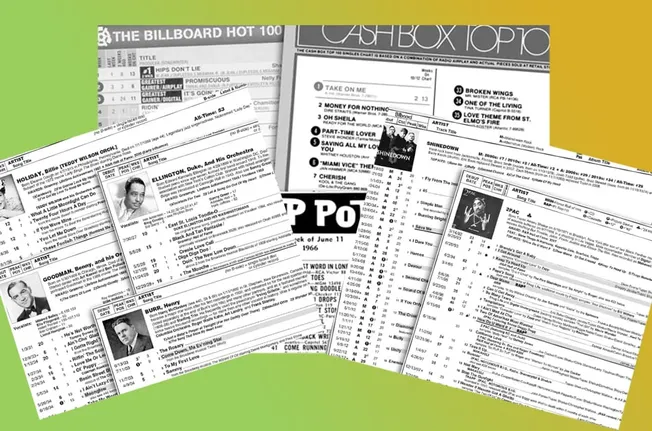
By Vinnie Freda, CEO of Record Research
Like so many reading this publication, I have an addiction. It started as a child listening to Casey Kasem on my portable radio in my bedroom with my finger on the RECORD button, waiting for my favorite song of the week to be played.
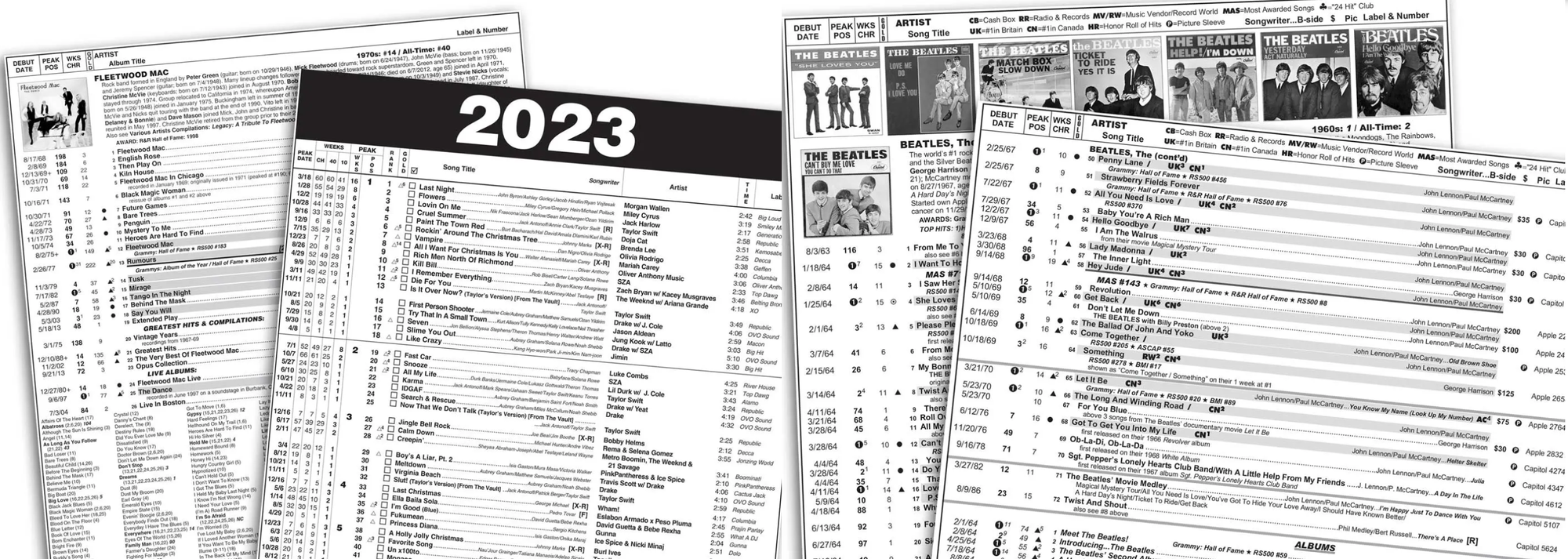
As a teenager, I used my allowance to subscribe to Billboard Magazine to read Paul Grein’s Chartbeat column about the latest songs. And as a young adult, I bought my first Joel Whitburn reference book focused on the history of the rock era.
Yes, I am a proud chart addict. And in an era when music has never generated more data, I believe the numbers matter more than ever. However, like most addictions, there is a dark side to the charts, and I saw it up close during my 35-year career at record labels.
Like most of us, I started out with the romantic vision that songs rise up the charts based on their quality and organic consumer demand. I learned about the fascinating industry machine and the associated personalities that focused on pushing songs up the charts. I witnessed firsthand legendary battles for the #1 album spot, like the epic competition between George Strait and Usher in 2004.
+Read more: "How Does Age Play Into Superfan Demographics?"
Most of this activity was about creating legitimate demand for songs on radio and at retail, but some of it was in the category best described as, dare I say it, manipulation or worse.
Indeed, some of us are old enough to remember a murder involving Cashbox executives in 1989 that was partially due to differences regarding the manipulation of chart numbers. So, yes, the obsession with charts, peak positions, and bullets can go too far, especially when it affects the quality of music being produced or the ethics of a marketing campaign.
Nevertheless, I have always had one surprisingly controversial belief about the popularity of songs and albums: The cream invariably rises to the top.
The same forces that push songs around the weekly polls are also the gatekeepers that prevent music with no real audience from entering the chart. And ultimately, the fan gets the final vote.
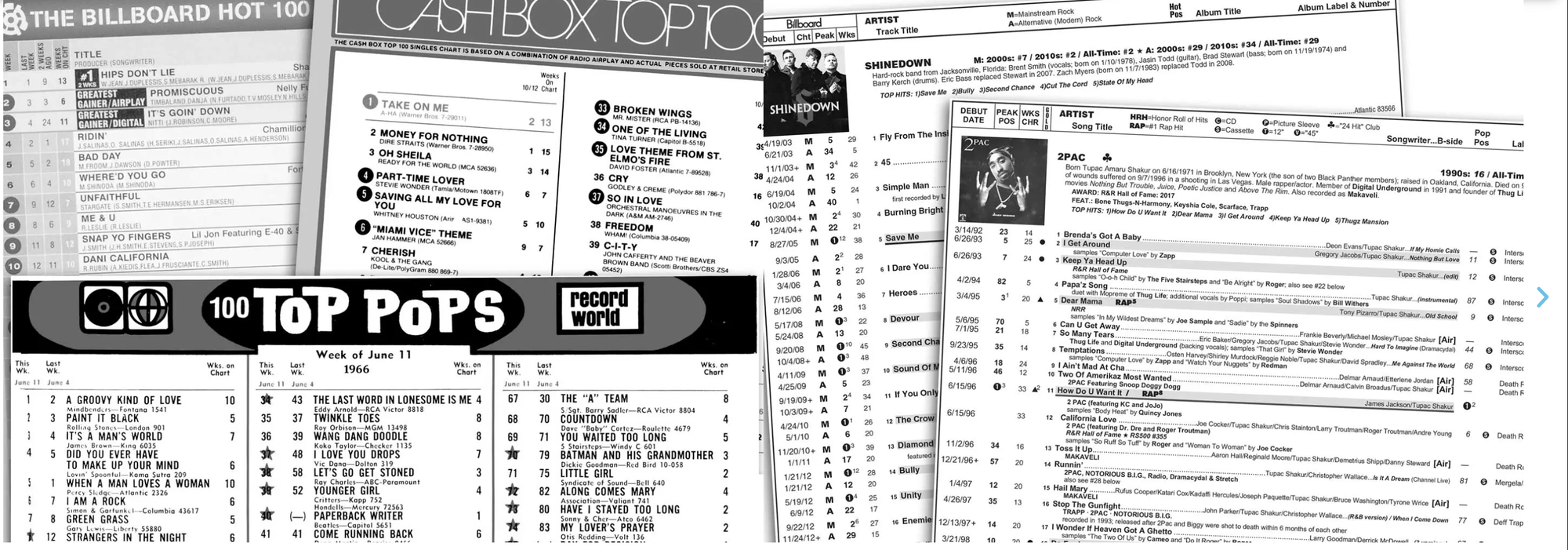
This is the key. At the end of the day, 99.9% of the tens of thousands of songs and albums making the Billboard, R&R, Record World, and Gavin charts in the 20th century represented music loved by a huge subset of regular non-industry music fans.
We all know the story of how Soundscan, BDS, and Mediabase democratized the charts in the 1990s. Billboard, as the last charts standing at the end of the physical era, has labored to nurture new music while giving the consumer that crucial final vote.
Meanwhile, in the digital era, the most popular DSPs like Apple, Spotify, and YouTube further democratized popularity with their scores (still subject to some manipulation, as we know), although I hope they will learn to be less proprietary about their numbers. By limiting meaningful access to that data to just a few players, it artificially drives up the cost of research for journalists, historians, archivists, and even many people inside the music business who are just trying to understand what actually happened in the past.
Over time, the services will hopefully realize that this data is not only commercially valuable but also one of the few surviving public records of collective emotional experience.
+Read more: "Why College Radio Matters More Now Than It Has in a Generation"
In the end, a chart position represents more than cash to a record label or an ego stroke to the creatives behind a song or album. Chart position represents the memories of millions of people. You may not know the exact position of the songs on your graduation day or your wedding day, but you do remember what your favorite new songs were in those days of your life, and those of us who follow the charts or create the polls are archivists of those memories.
That is why access to chart and consumption data should matter to more than chart obsessives. Knowing where a song or album fell in June of 1968 or September of 2001 gives us a sense of what the world was like at that moment. I believe it is actually a better snapshot than the top films, TV series, or books of a given era.
So while I have often heard (and expressed) grumbling about “chasing chart positions,” we have a human need to catalog our memories. I applaud prior generations of chart services for their roles in democratizing the data, and I strongly encourage the 21st century digital services to be more open in allowing future chart geeks to turn those numbers into memories.
That is what a good chart does: It tells us who we are and who we were.
Be sure to check out Record Research's new publication, Top Country Singles 1944-2025.
Vinnie Freda is CEO and majority owner of Record Research, the authority on historic music-industry chart performance and the publisher of Joel Whitburn’s definitive chart reference books. A four-decade music industry veteran, he has held senior leadership roles across MCA Records, Universal Music Group (UMG), Ingrooves, Warner Music Group (WMG), and Trebel Music